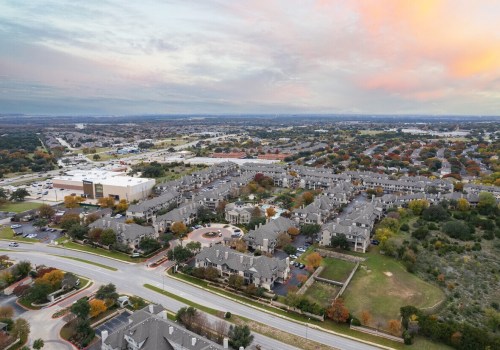
Older neighborhoods in Round Rock, Texas are experiencing a noticeable increase in residential relocations as the city continues growing and evolving. Once considered quiet suburban areas primarily occupied by long-term homeowners, many of these established neighborhoods are now attracting new interest from families, investors, young professionals, and retirees seeking homes with larger lots, mature landscaping, and convenient access to schools, shopping centers, and major highways. As Round Rock expands alongside the greater Central Texas region, housing demand has shifted significantly, creating new movement within neighborhoods that previously experienced relatively stable residency patterns. Rising property values, home renovations, redevelopment projects, and changing lifestyle needs are all contributing to a growing number of residential moves within these older communities. While newer developments continue appearing throughout the area, many buyers are increasingly drawn to the character and location advantages offered by more established neighborhoods.
Why Residents Are Choosing to Relocate
One major reason relocations are increasing in older Round Rock neighborhoods is the changing needs of longtime homeowners. Many residents who purchased homes decades ago are now downsizing, relocating closer to family members, or transitioning into retirement-focused living arrangements. At the same time, younger buyers are moving into these neighborhoods because they often provide more affordable alternatives to newly constructed homes in highly competitive housing markets. Older homes may also offer larger yards, established trees, and unique architectural styles that appeal to buyers seeking something different from modern subdivisions. Renovation activity has increased significantly in many parts of Round Rock as new homeowners update older properties to match current design preferences and energy-efficiency standards. These transitions naturally create increased demand for residential moving services as families move in, move out, or temporarily relocate during renovation projects.
Redevelopment and Housing Demand Continue Driving Movement
As Round Rock continues benefiting from regional economic growth and population increases, redevelopment has become another major factor influencing relocation trends in older neighborhoods. Investors and developers are purchasing older homes for remodeling or redevelopment opportunities, while homeowners are choosing to relocate to larger properties or newer communities within the region. Increased employment opportunities throughout Central Texas have also attracted more professionals relocating to Round Rock because of its proximity to Austin and major business corridors. This steady influx of new residents contributes to an active housing market where homes often change ownership more frequently than in previous decades. Residential moves within older neighborhoods can sometimes present logistical challenges due to narrow streets, mature landscaping, aging infrastructure, and limited parking access. Reliable moving support becomes especially important when navigating these established residential areas efficiently and safely. Trusted providers such as Mountain Movers can help homeowners manage relocations smoothly while protecting furniture, personal belongings, and property during transitions within busy neighborhood environments.
Established Neighborhoods Continue Attracting New Residents
Older neighborhoods in Round Rock continue offering qualities that remain highly appealing in today’s housing market, including central locations, strong community identity, and proximity to schools, parks, and local amenities. As more buyers seek established communities with long-term value and convenience, residential movement within these neighborhoods will likely continue increasing. At the same time, longtime residents may continue relocating due to retirement, changing family needs, or opportunities elsewhere in Central Texas. Behind these visible housing transitions is a large amount of planning, transportation coordination, and logistical activity that supports the movement of families and households throughout the city. Although buyers often focus primarily on finding the right home, the relocation process itself plays a major role in shaping how smoothly these neighborhood transitions occur. Efficient moving services help reduce stress during residential changes while supporting the continued evolution of Round Rock’s older communities as they adapt to new generations of homeowners and shifting housing demands.